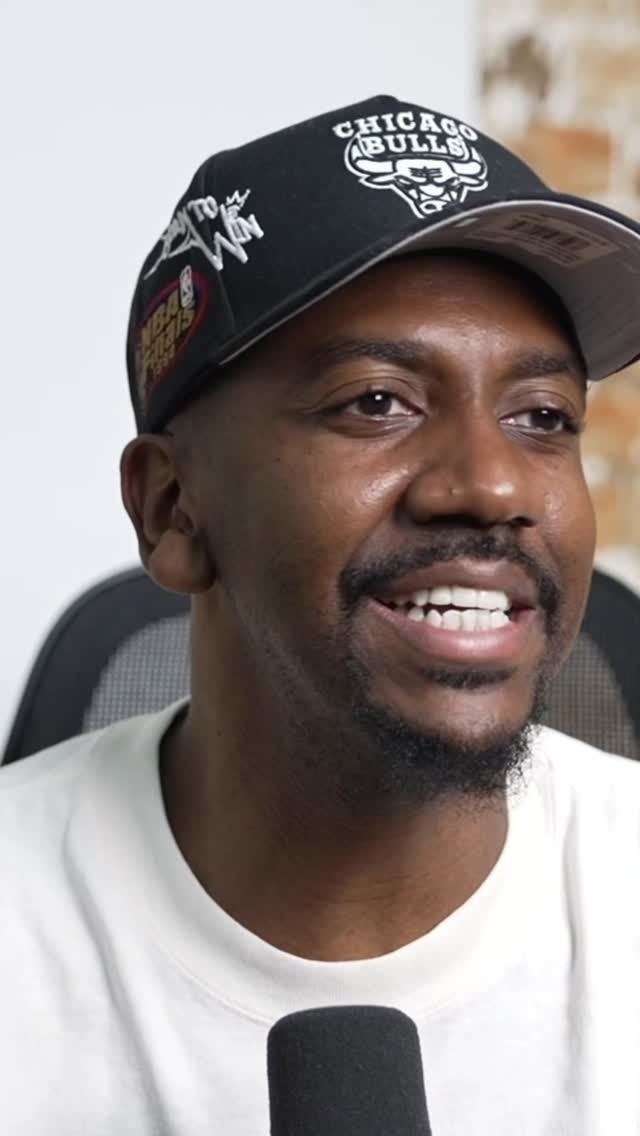
Club 520 x Adidas: When a Podcast Earns a Sneaker Deal
A new‑media case study in real time, where barbershop talk evolves to broadcast networks, niche communities become distribution channels, and a podcast demonstrates that the future of culture is built, not bought.
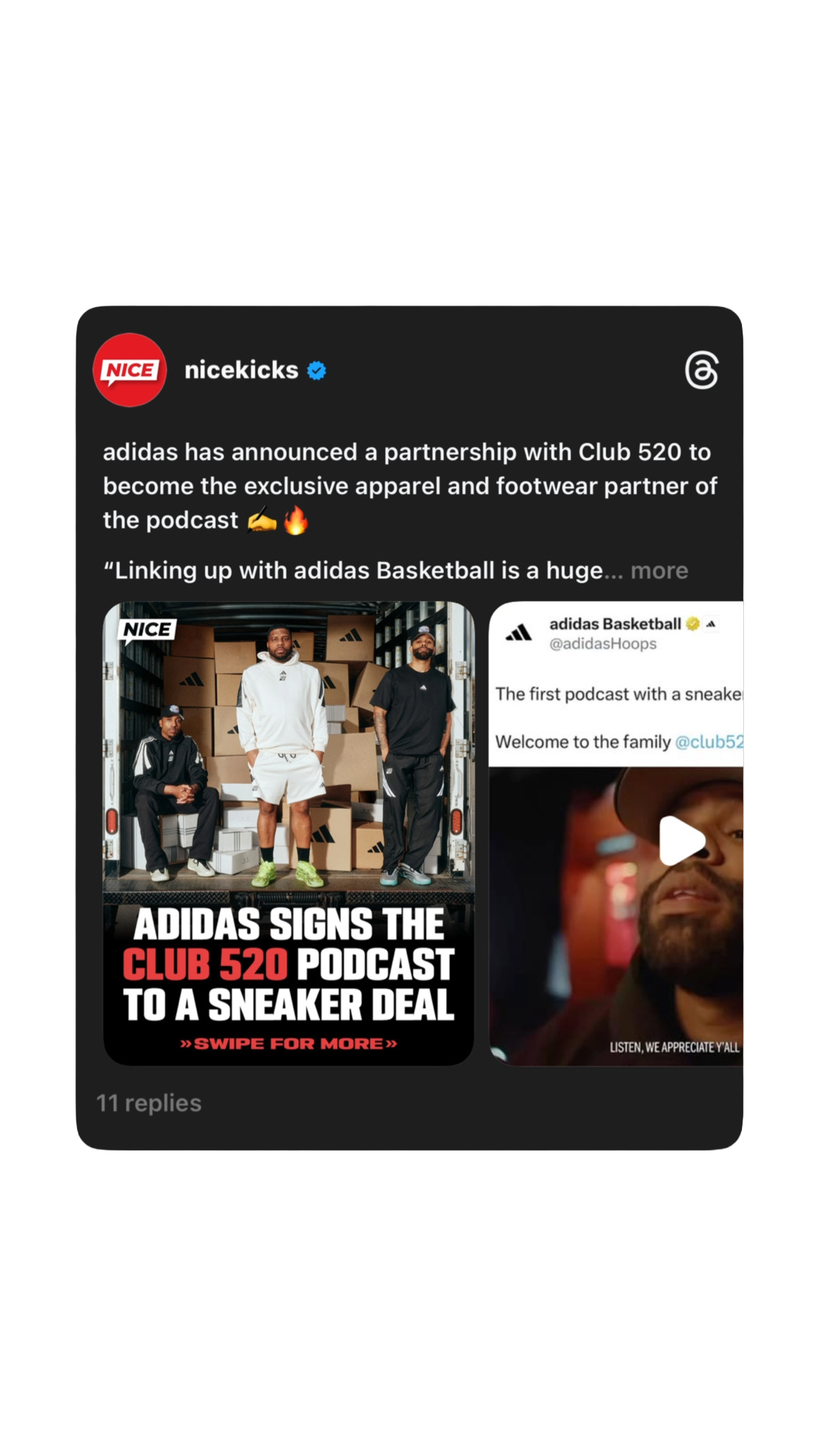
When Adidas Basketball announced a multi-layered partnership with Club 520—calling it "the first podcast with a sneaker deal"—it was more than just a cool headline.
It was a signal.
What Growth From The Ground Up Looks Like
In just a couple of years, they’ve gone from a few thousand YouTube subscribers to a community in the hundreds of thousands—in the official press release on their website,
Adidas notes:
"Since joining The Volume in October 2023, Club 520's YouTube channel has gone from 35,000 subscribers to over 760,000. In 2025, Club 520 has driven 200 million YouTube views and 150 million social impressions." -
While we aren't here to analyze 520's KPIs, seeing their growth numbers in such a short amount of time is eye-popping.
Club 520 Didn’t Just Get a Deal. It Sent a Signal.
This wasn’t an empty sponsorship. It was a signal that should help the entire D2C landscape understand that
- New media is now a core part of the D2C pipeline for global brands.
- Influencer marketing isn’t dead—it’s evolving.
- Hyper‑local, niche platforms with real community equity can move culture and product in ways traditional media used to.
Once you understand what Club 520 is—and where it came from—the deal feels less like a surprise and more like an inevitability.
It also shines a light on where the opportunity really is for the rest of us quietly building shows, newsletters, and media platforms from the ground up.
In the old world, media was something you bought.
In the new world, media is something you build.
"Club 520 has become one of the most authentic and influential voices in basketball culture." - Max Staiger, Global General Manager of Adidas Basketball.
That’s not a “show” anymore—that’s a distribution engine. And brands are starting to treat it that way.
When Adidas Basketball announced a multi-layered partnership with Club 520—what Sports Illustrated framed as “the first podcast with a sneaker deal”—they weren’t just doing something cute.
They were acknowledging that this podcast sits where basketball, culture, and commerce now intersect.
The Numbers Behind The Shift
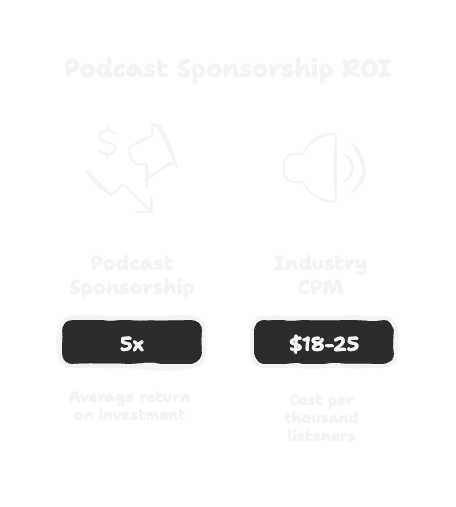
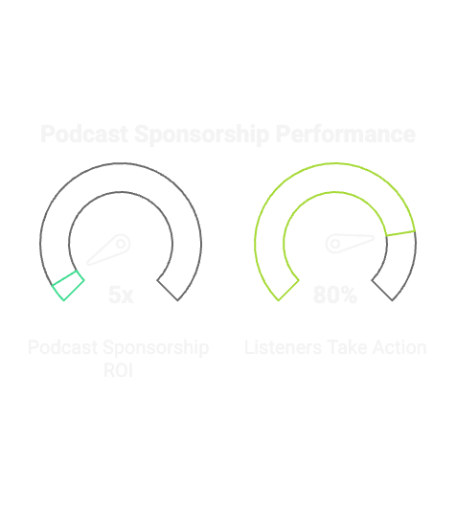
Podcast sponsorships are delivering close to 5x ROI on average, according to campaign analyses from dedicated podcast sponsorship shops. (Riverside)
Industry CPMs for audio still sit in the $18–$25 range for many shows, but the real leverage is behavioral: more than 80% of listeners say they take action after hearing a host-read ad. (Pod Partnerships)
A Snapshot of The Podcast Landscape

Zoom out further and the macro picture snaps into place. The creator economy is now estimated at $250B+ globally, with nearly half of Gen Z and Millennials saying they trust influencer and creator recommendations more than traditional ads.
Smaller, niche creators in the 10K–100K follower range are quietly driving 3–10x higher engagement than mega-influencers, because their relationship with the audience is tighter and more specific.
Steady Growth In Listenership Across The Industry
Sports podcasts have grown more than 25% year over year in listenership, and basketball dominates sports audio and video consumption among the 18–34 demo across platforms like YouTube and Spotify.A show like Club 520 doesn’t just live in that lane—it defines it: hoop storytelling, internet culture, and Black voice at scale.
On the brand side, Adidas has been explicit about where it’s going. In a Marketing Week conversation, Roy Gardner, VP of Brand Activation, laid out how Adidas is rebuilding “brand heat” by increasing brand marketing investment, sharpening brand identity, and leaning into smarter partnerships with athletes and creators rather than just media buys.
Put all of this together, and the pattern is clear:
- Brands don’t just rent attention from legacy networks anymore.
- They partner with the people and platforms that hold attention inside specific cultures.
Club 520 is proof of concept. It shows what happens when local credibility, consistent content, and a real community collide with a global brand that finally understands where the energy actually lives.
Why a Podcast Getting a Sneaker Deal Matters
On the surface, it sounds wild: a podcast with its own sneaker deal.
But if you zoom out and look at how media and commerce work in 2025, it's actually logical.
Podcasts with strong YouTube numbers are not just "audio shows" anymore. They're full-blown content ecosystems:
- long-form episodes
- shorts and clips
- live shows and touring
- merch, meetups, and events
- community hubs that live across IG, TikTok, X, and in real life
A show like Club 520 sits right at the intersection of
- hoops culture
- internet culture
- Black storytelling
- local legends turned global voices
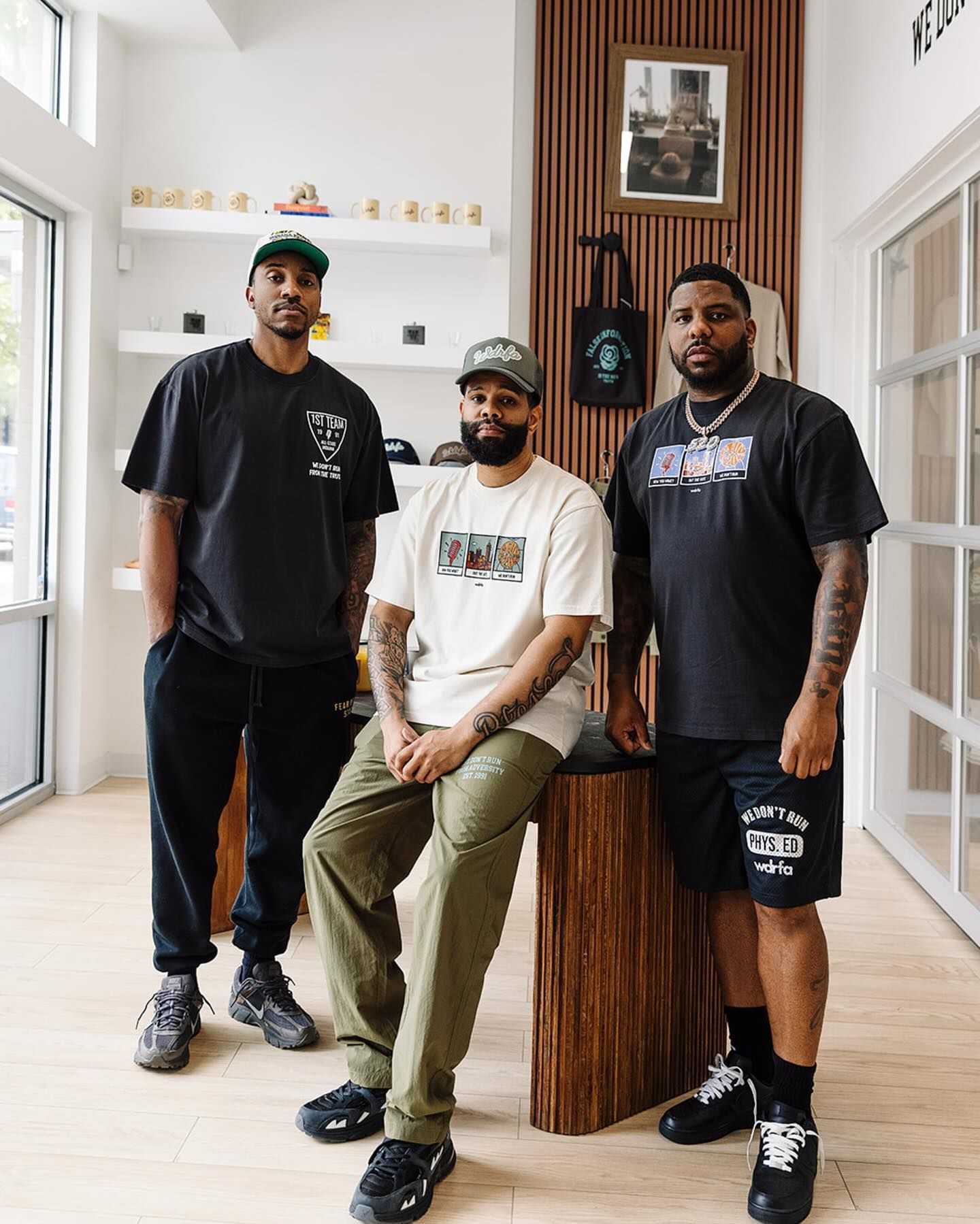
They're in the community. They're on the road. They're engaging with callers, fans, and comments. They're collaborating with Indianapolis-based creators like Mike G., GP, and the WDRFA brand to build an archive of quality pieces for fans, which is something that Adidas had to take notice of while evaluating the brand. On the show, the team is using every opportunity to promote fan merch and more often than not, whatever they're wearing is typically a creator-led brand.
That type of platform is designed for high engagement by design. This isn't just reach—it's relationship. It's not just impressions—it's trust.
When you're Adidas, trying to talk directly to hoopers and people who live basketball every day, that trust is the whole game.

"Their storytelling, humor, and connection to the community embody everything we strive for at adidas Basketball. Teaming up with them, especially as we celebrate the launch of Harden Vol 10, allows us to communicate directly with our fans in a whole new way." - Max Staiger, Global General Manager of Adidas Basketball.
So a sneaker deal with a podcast isn't random or experimental; it's a logical extension of D2C:
- The audience already lives on YouTube and social media.
- The talent already wears and talks about the product authentically.
- The brand plugs into a community that already exists, instead of trying to manufacture one from scratch.
For podcasters and content creators, that's the unlock:
If your platform is a real community, not just a content feed, you're not "small media"—you're a distribution channel brands can't buy anywhere else.
Influencer Marketing Isn't Dead—It Just Got More Specific
What's dead is lazy influencer marketing:
- Spray-and-pray seeding.
- Random one-off posts with no story.
- "Here's a code, swipe up" with no relationship.
What's very much alive is this:
- Niche brands and platforms that speak to, nurture, and galvanize a core demographic.
- Creators who don't just "have follower" but have relationships and receipts in their communities.
- Storytelling that connects offline credibility (hoops, food, events, photography, local work) with online distribution.
Club 520 is exactly that.
These are not random guys who got mics. These are people who were already stamped in their city, separately, before there was ever a logo, a set, or a YouTube channel.
The podcast didn't invent their influence. It organized it. It made the social capital visible at scale.
And that's where the real opportunity is for creators:
You don't have to be "internet famous" in the traditional sense. You can be the person who:
- runs the runs
- throws the best events
- feeds the city
- documents the culture
…and then builds a show that captures what you were already doing in real life.
Brands are getting smarter. They're not just asking, "Who has followers?" They're asking:
"Who does this community already listen to and trust?"
The Origin Story: How 520 Became a Freight Train
You can't talk about Club 520 without starting with DJ Wells.
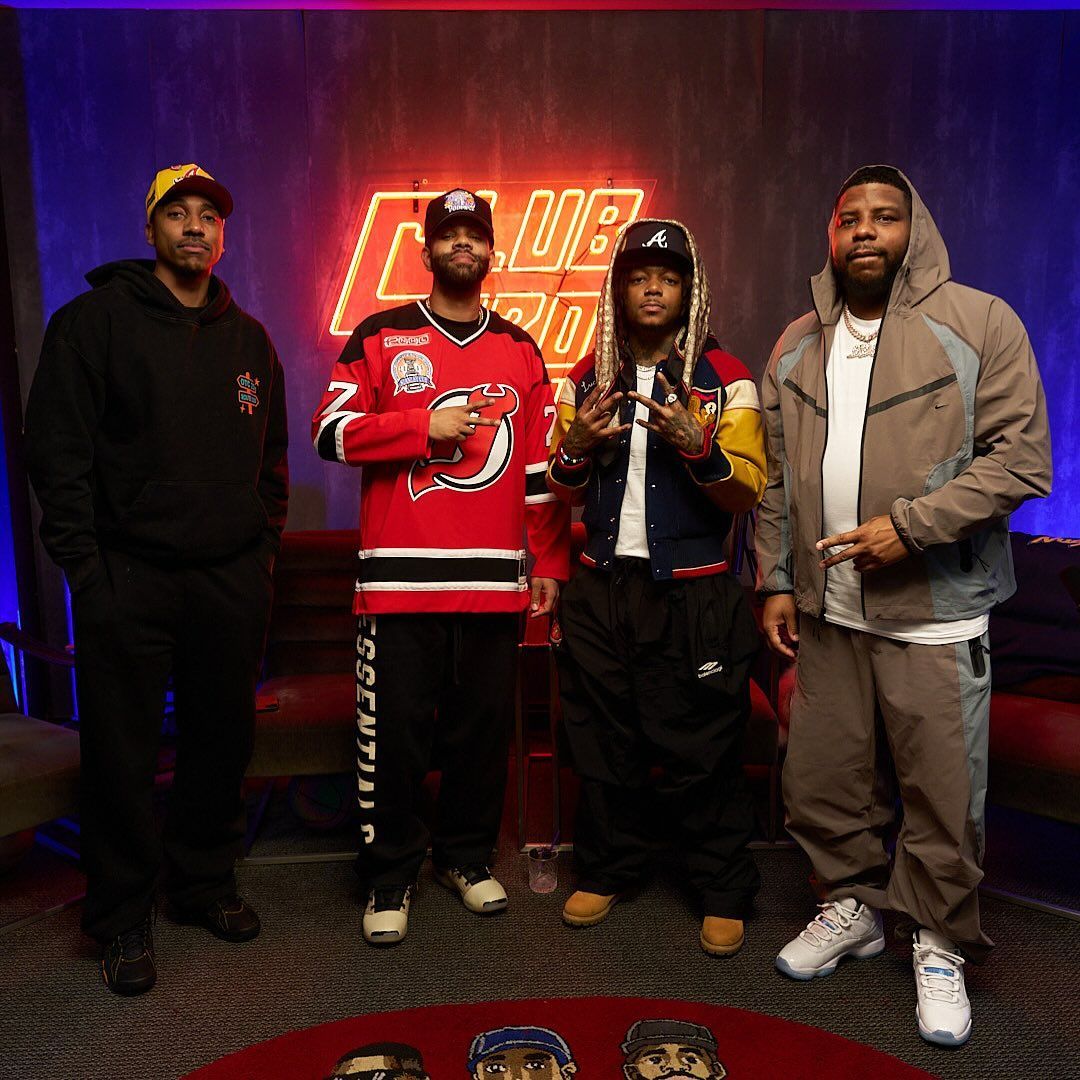
The journey begins with DJ Wells, an Indianapolis native and the host of the Club 520 podcast. He came up with the concept and pitched it to childhood friends Jeff Teague and B-Hen in 2023. That moment set the wheels in motion for the freight train of a brand you see today.
It wasn't just a content idea. It was a bet on:
- The stories that were already being told in barbershops, gyms, and group chats.
- The chemistry and history between three people who actually know and respect each other.
- A city that has always been a basketball town but didn't always have a platform built by and for its own.
That's another lesson for creators:
Most "good ideas" for shows are just existing conversations that haven't been recorded yet.
Jeff Teague: From the League to the Voice Of The City
Jeff Teague retired from the league in 2021 and stepped into that space every pro athlete eventually faces:
figuring out life off the court.
Living in Indianapolis in 2018, I had the chance to watch the Teague family operate Factory D1 and give back to the community in a major way. It wasn't just about training; it was about access, presence, and visibility. Jeff was still that guy in Indy—just in a different role.
Fast-forward to post-Covid, when he launched the podcast. I knew immediately it was the type of content the ecosystem in Indianapolis was waiting for:
- Indianapolis is a basketball city.
- Its biggest stars will always be the ones who went to war on the hardwood.
- Giving those legends a long-form, unfiltered platform to talk their talk was inevitable; it was just a matter of who would do it right.
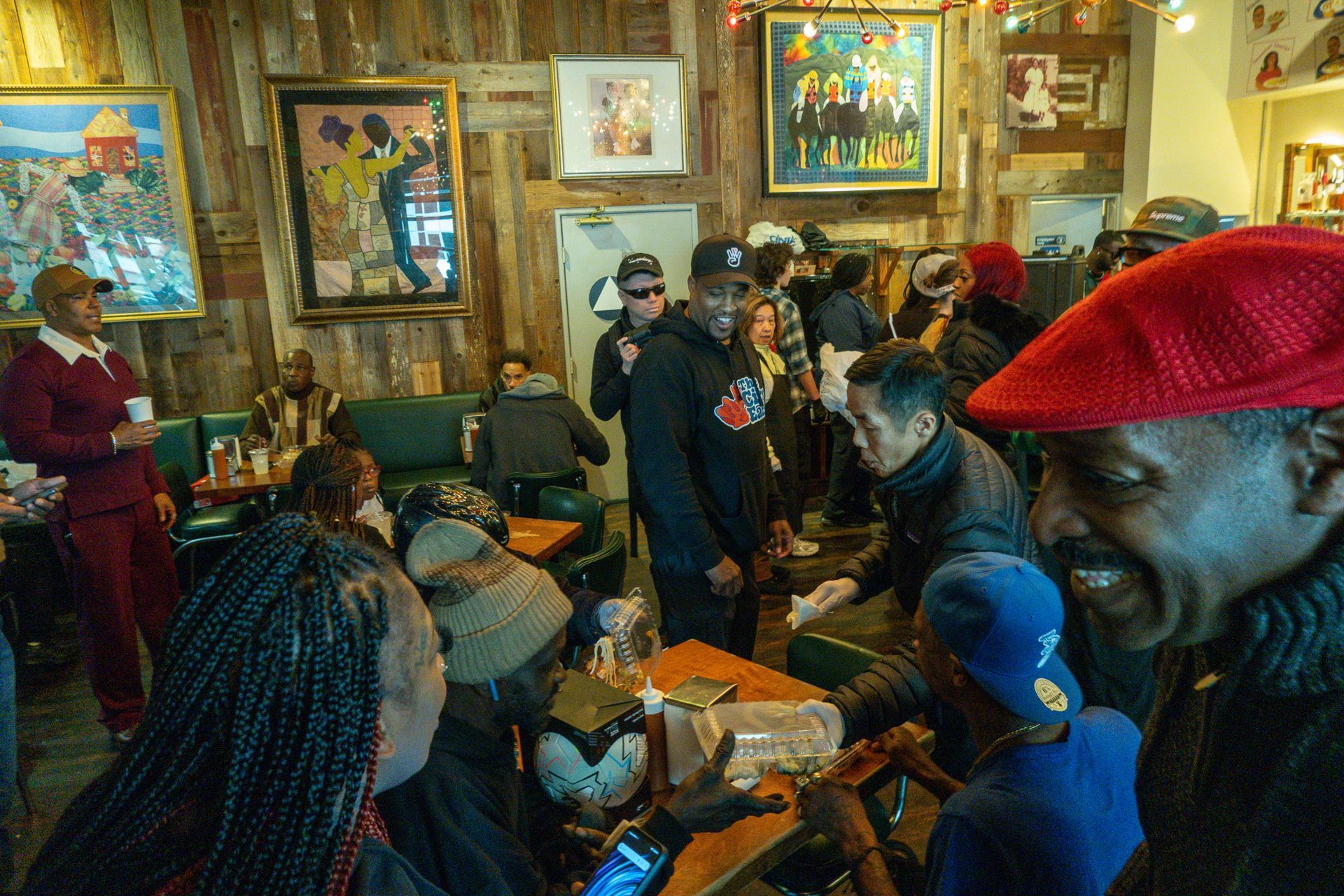
B-Hen: From Hendricks Catering to Household Name
I'd always heard of Bishop Hendricks and the infamous Hendricks Catering in Indianapolis back in 2019, but I never put a name to the face.
By the time I made it back to Indy in 2021, he was a household name—not because of the podcast, but because of his
food and events. He'd taken
@cateredbyhendricks
and turned it into a brand that people in the city trusted for experiences, not just plates.
That's important.
B-Hen came into 520 already operating as:
- a local entrepreneur
- a culture connector
- someone who knew how to turn offline energy—food, events, gatherings—into brand equity
The 520 podcast didn't create his personal brand. It scaled it. It took what he'd already proven in real life and put it in a format that could travel farther and faster.
For creators, that's a reminder:
Your "content strategy" might just be finding a way to document the thing you already do better than most people.
Mike Harris: Watchful Eye Behind the Lens
Then there's Mike Harris, the manager.
Mike is someone I respected and watched closely for years as a photographer. In my honest opinion, if you were my age and in Indianapolis in 2019, there were three male photographers if you needed professional work:
- Jay Goldz
- Isaac
- Mike Harris
All had different styles—but with any of them, you were guaranteed magic.
We connected a few times over media, sneakers, and general business. Even back then, his eye for visuals, his editing chops, and his overall sense of brand-building through imagery stood out.
Given his media background and post-editing skills, I knew he'd flourish when he shifted more into content creation. He did some incredible work with Indianapolis entrepreneurs like Erick Armstrong, and I remember thinking, "Yeah, they're definiitely about to take off."
So when he came on board as manager for the 520 podcast, it was clear: they were onto something serious.
And this is another quiet lesson for the creator world:
Great content isn't just about who's on the mic.
It's about who's behind the lens, who's cutting the clips, and who's thinking about the brand like an ecosystem, not just an episode.
If you're a podcaster, your "Mike Harris" might be the missing piece.
The Formula: Why This Works
What Creators Can Learn
Let's step back and look at the pieces 520 has amassed.
- Jeff Teague – stamped in the city, NBA résumé, real hoop stories, family roots in community work.
- B-Hen – culinary and event powerhouse, trusted by the city for experiences and vibes.
- DJ Wells – media brain, authentic voice that actually covered the Pacers and paid dues in the journalism game.
- Mike Harris – visual architect, a storyteller with a camera, and a manager who understands both culture and execution.
Put all of that together and what do you get?
A recipe for success that anyone in the city could've written down on paper—but only a special group could actually pull off.

For podcasters and content creators, here's the real formula buried inside their story:
- Start with real-world equity. Be someone your community would listen to even if you never hit "record."
- Build with people who are already great at what they do. The podcast should be a multiplier, not a life raft.
- Treat your show like a world, not a feed. Episodes, clips, events, sneakers, live shows—that's all one universe.
- Let brands step into that world. Don't let them define it.
- A recognition of the work they put in separately and together.
- A case study in how local credibility + consistent content + real chemistry can lead to global opportunities.
- Proof that when you build something authentically from your community outward, the right brands eventually have no choice but to tap in.
That's why the Adidas deal isn't just about a sneaker. It's:
This is a move that changes the possibilities not only for sports podcasters but also opens possibilities for podcasters across the board with the entire D2C landscape. Think about who the next 520 will be for Heinz or who the next Jack Daniel's could position for a collaboration.
Influencer marketing isn't dead; it's in its next chapter. Deals like these are the first step in opening a viable new distribution channel for brands and a revenue stream for the best publishers.
What it means for the landscape
The 520 universe is starting to look less like “just a show” and more like its own little media league.
Adding the 520 ecosystem
What makes Club 520 hit is that it’s not a one-off lightning strike; it’s an ecosystem built on years of hoop culture, relationships, and reps that didn’t happen on camera.

Jeff’s brother Marquis (“Mook”) isn’t just a guest; he’s part of that 520 fabric, pulling up on episodes, doing debates, and growing his own on-mic presence as a hoop storyteller in his own right.
The fact that Marquis now runs a podcast as well turns “family business” into media strategy—multiple feeds, overlapping audiences, and a shared language rooted in the same zip codes and locker rooms.
He’s also running his show, Backcourt Connection, with Kentucky legend, backcourt teammate, and New York’s own Doron Lamb. The two have an effortless, built-in chemistry and are already showing real momentum, with 6k+ followers on Instagram and YouTube closing in on the 10k mark—helped by a steady run of viral clips, hilarious stories, strong hoops takes, and high-caliber guests.
Hoops junkies everywhere are tapping in to hear what these two former prep-to-pro guards have to say about life in professional basketball on and off the court. With a deep well of “from-the-trenches” stories and sharp basketball insight, they’re quietly stacking one of the more promising platforms in the sports podcast ecosystem and showing signs of another potentially promising path.
For podcasters building platforms of your own, there's a takeaway here too:
Your "unfair advantage" might be your off-platform résumé—the years you spent hooping, coaching, serving, organizing, or building in spaces the algorithm doesn't track.
Wrapping it up
What This Means Going Forward (for 520—and for You)
The Club 520 x adidas collaboration is a milestone, but it shouldn't be seen as an anomaly. It's a preview.
Expect more:
- Sneaker deals with podcasters and creators who actually move culture.
- D2C strategies built squarely on new media distribution instead of traditional ads.
- Brands recognizing that community-first platforms—especially in so-called "secondary markets" like Indianapolis—are where the real energy lives.
For creators, the opportunity is pretty clear:
- You don't need to chase every trend. You need to own a lane.
- You don't need a million followers. You need a real community that cares when you speak.
- You don't have to wait on a network to bless you. You can build your own "club" and invite the world in.
If you can do that consistently, then Club 520 isn't just an inspiring story—it's a preview of what's possible.
For now, though, it's only right to give them their flowers.
Shoutout to the 520 podcast for the amazing run.
It's only just begun.